

Hariyali Teej, or Shravani Teej, is a vibrant festival celebrated in North India, including Rajasthan, Uttar Pradesh, Madhya Pradesh, and Bihar. It marks the arrival of the monsoon season and is dedicated to the union of Lord Shiva and Goddess Parvati. The festival, on the third day of Shravana’s bright half, is culturally and spiritually significant with various customs and traditions.
Significance of Hariyali Teej
“Hariyali” means greenery, reflecting lush landscapes in monsoon, and “Teej” denotes the third day of the lunar fortnight. The festival celebrates Lord Shiva and Goddess Parvati’s love, symbolizing marital bliss and the strength of marital bonds. Hindu mythology says Goddess Parvati did severe penance for years to win Lord Shiva’s love and become his consort. Impressed by her devotion, Lord Shiva accepted her as his wife, making this day a celebration of their divine union.
Hariyali Teej is especially significant for married women, who pray for the well-being and long life of their husbands and a happy married life. It is also an occasion for unmarried women to pray for a suitable life partner. The festival, therefore, is a celebration of love, fertility, and the sanctity of marriage.
Traditions and Customs
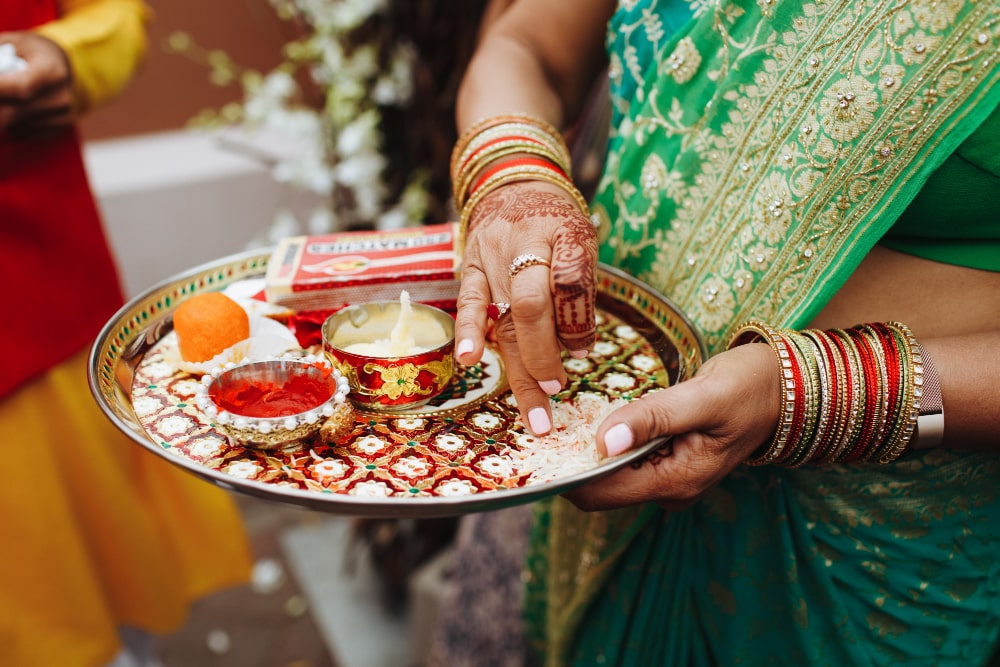
1. Dressing Up: On this day, women dress in traditional attire, often wearing green, symbolizing the lushness of the monsoon season. They adorn themselves with beautiful jewelry, intricate henna designs, and colorful bangles. The color green holds special significance as it represents fertility, growth, and prosperity.
2. Fasting: One of the most significant aspects of Hariyali Teej is the practice of fasting. Married women observe a day-long fast, refraining from food and water, to pray for the longevity and well-being of their husbands. This strict fast is known as “Nirjala Vrat.” Some women also perform this fast in the hope of finding a loving and understanding husband.
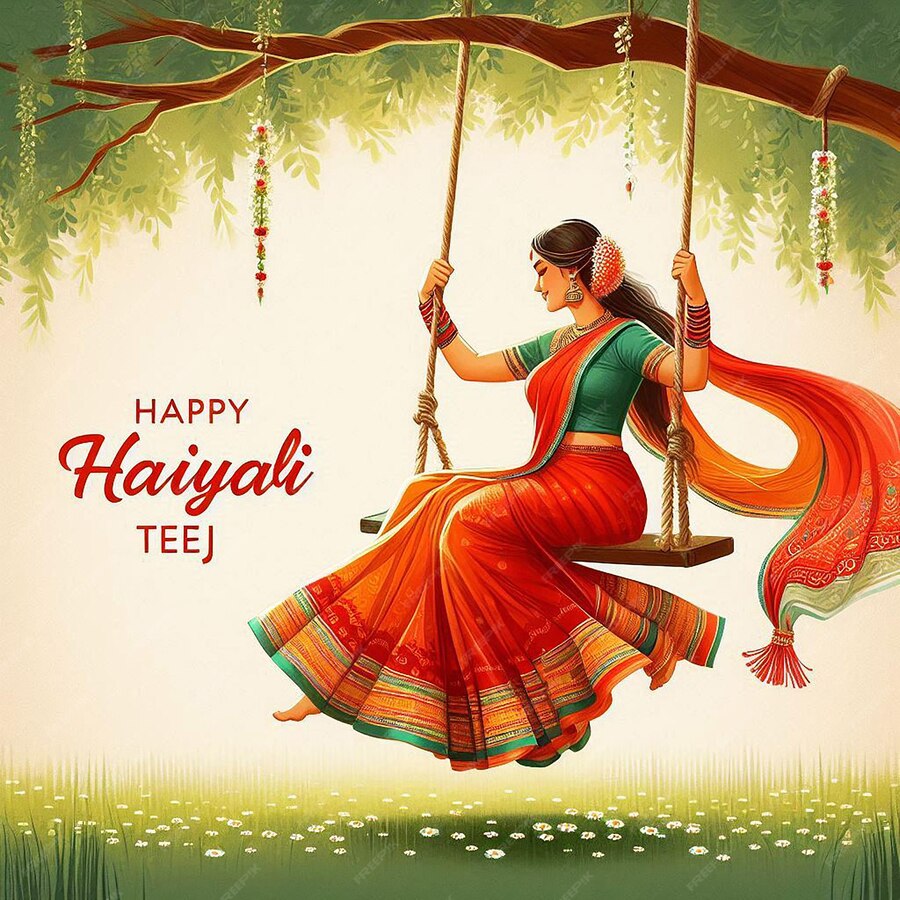
3. Swings: Swings, or “jhoolas,” are an integral part of Hariyali Teej celebrations. People often decorate these with flowers and hang them on tree branches or in courtyards. Women and young girls enjoy swinging, singing traditional songs, and dancing to celebrate the festival. The swings symbolize the joyful and playful nature of the monsoon season.
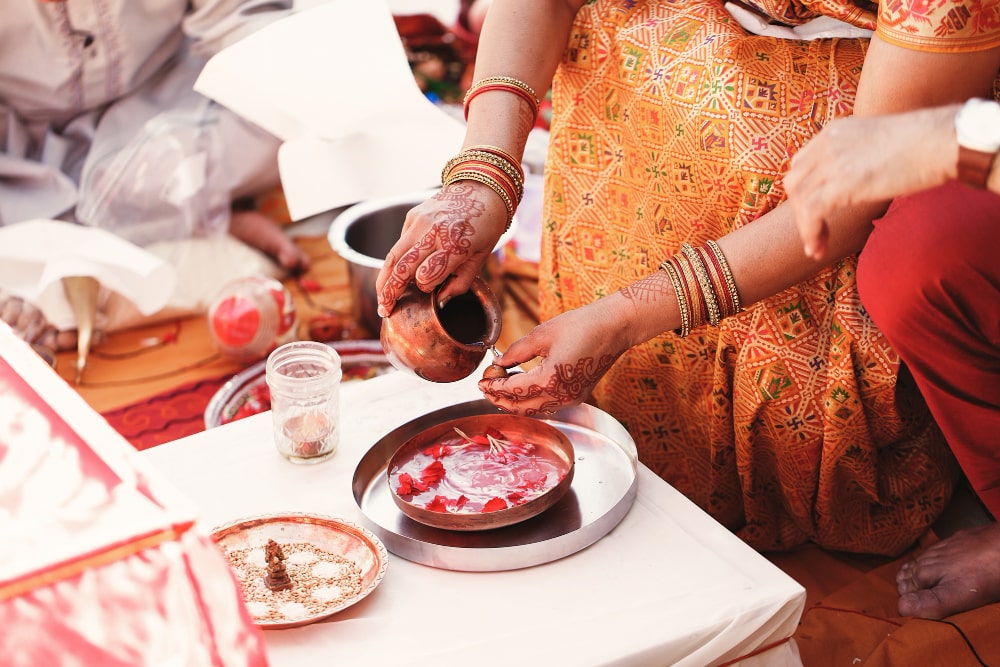
4. Puja and Rituals: On this day, people perform special prayers and pujas. Women worship Goddess Parvati and Lord Shiva, offering flowers, fruits, and sweets. They listen to the Teej Katha, which narrates the story of Goddess Parvati’s devotion and union with Lord Shiva. This story serves as an inspiration for women to remain steadfast and dedicated in their relationships.
5. Feasting and Sweets: While the fasting women abstain from eating, the evening marks a time of feasting. Special dishes and sweets like “ghewar” and “gujiya” are prepared and shared among family and friends. These delicacies add a sweet touch to the festivities.
6. Songs and Dance: Hariyali Teej is also an occasion for cultural performances. Women gather to sing traditional folk songs and dance to the tunes of festive music. These performances often celebrate the beauty of the monsoon season and the joy of togetherness.
Conclusion
Hariyali Teej is a festival that beautifully blends devotion, tradition, and celebration. It is a day for women to come together, express their love for their spouses, and celebrate the bonds of marriage. The festival also serves as a reminder of the cultural richness and diversity of India, showcasing the country’s unique customs and traditions. Through its various rituals and customs, Hariyali Teej celebrates love, devotion, and the beauty of nature, making it a cherished occasion for many.